
When selecting outdoor lighting for gardens, parks, or commercial spaces, one of the most critical decisions is the material of the fixture. The debate around the benefits of die-cast aluminum vs plastic for outdoor lighting is especially important for buyers who care about durability, performance, and long-term value.
At JinHui Lighting, we specialize in high-performance outdoor lighting solutions designed to withstand harsh environments—making material selection a core part of product engineering.
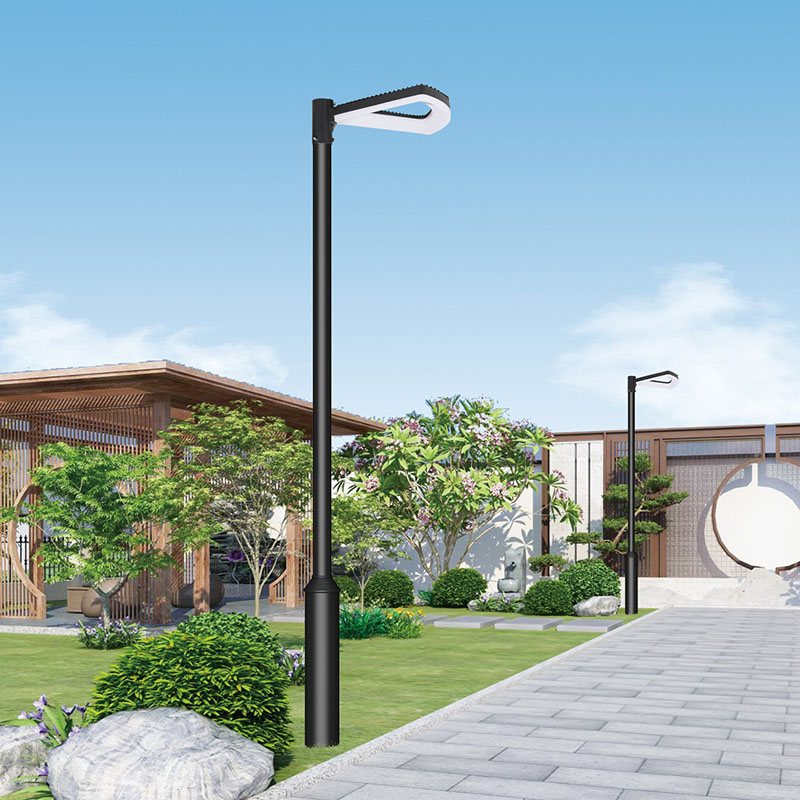
What Is Die-Cast Aluminum in Outdoor Lighting?
Die-cast aluminum is created by injecting molten aluminum into a precision mold under high pressure. This process results in a dense, uniform structure that offers excellent mechanical strength and weather resistance—ideal for outdoor applications.
In contrast, plastic housings are typically injection-molded using polymers like ABS or polycarbonate, which are lightweight but less robust over time in outdoor environments.
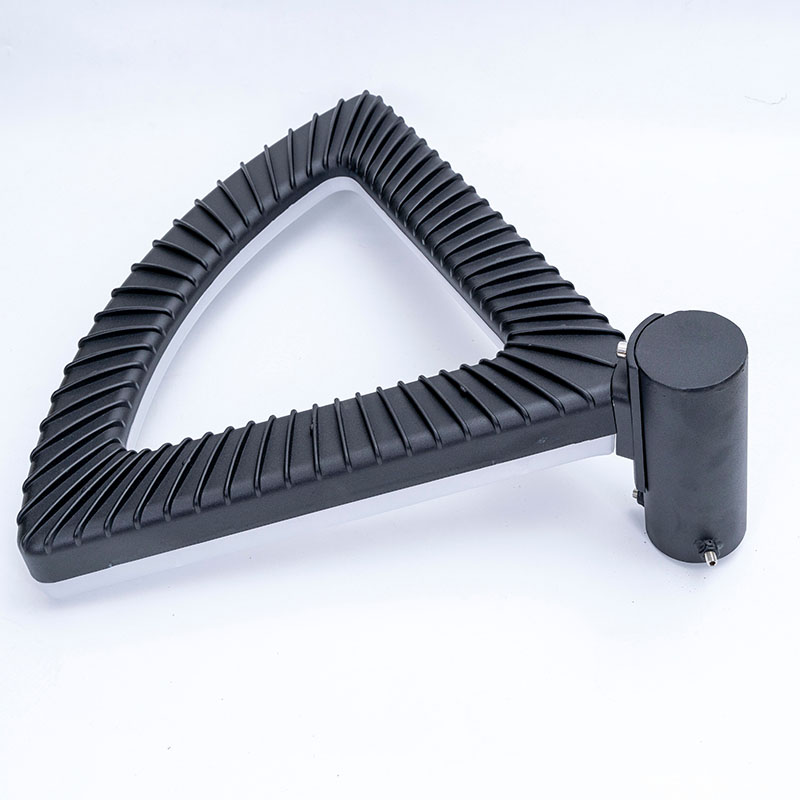
Key Benefits of Die-Cast Aluminum vs Plastic for Outdoor Lighting
1. Superior Durability and Strength
Die-cast aluminum fixtures are highly resistant to physical impact, making them perfect for public areas such as parks and pathways. Plastic fixtures, while lighter, are more prone to cracking or breaking under stress or accidental impact.
For commercial and municipal projects, durability directly translates into reduced maintenance costs.
2. Excellent Weather and Corrosion Resistance
Outdoor lighting must endure rain, UV exposure, temperature fluctuations, and even pollution. Die-cast aluminum naturally forms a protective oxide layer, which prevents corrosion.
Plastic, on the other hand:
Can degrade under prolonged UV exposure
May become brittle in cold temperatures
Often fades or discolors over time
This makes aluminum a far more reliable option for long-term outdoor installations.
3. Better Heat Dissipation for LED Performance
Heat management is critical for LED lifespan. Die-cast aluminum has excellent thermal conductivity, allowing it to dissipate heat efficiently and protect internal components.
Plastic materials trap heat, which can:
Shorten LED lifespan
Reduce brightness over time
Increase failure rates
4. Premium Appearance and Design Flexibility
Die-cast aluminum supports:
Sleek, modern finishes
Powder coating for color durability
Intricate and high-end designs
Plastic fixtures often look less premium and may not maintain their appearance after prolonged outdoor exposure.
For architects and designers, aluminum lighting provides both performance and aesthetic value.
5. Long-Term Cost Efficiency
Although plastic lighting fixtures may have a lower upfront cost, die-cast aluminum offers better value over time due to:
Lower replacement frequency
Reduced maintenance
Longer product lifespan
Application Scenarios: Where Aluminum Outperforms Plastic
Die-cast aluminum outdoor lighting is ideal for:
Garden pathways and courtyards
Public parks and municipal projects
Commercial landscapes
Coastal or humid environments
Plastic lighting may be suitable for temporary or low-budget installations but is not recommended for demanding outdoor conditions.
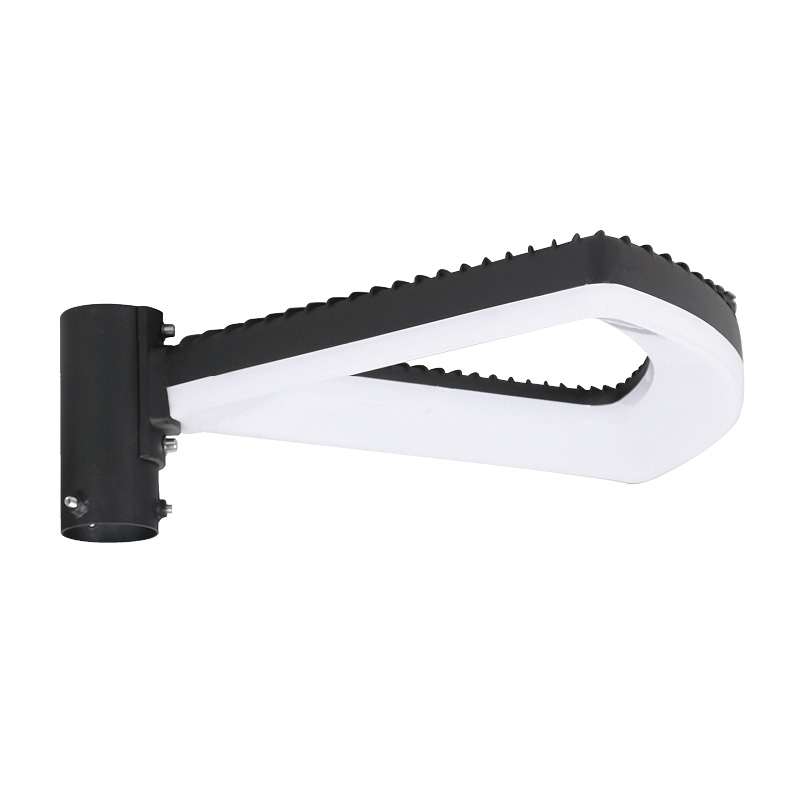
Recommended Product from JinHui Lighting
JHTY-9042 Modern U-Shaped LED Garden Post Light
This model features:
Durable die-cast aluminum housing
UV-resistant PC cover for added protection
Modern U-shaped design suitable for various landscapes
Energy-efficient LED technology
Explore more details here:
https://www.jinhuilighting.com/LEDCourtyadLight/106.html
Learn More About Aluminum Advantages
For a deeper understanding of aluminum’s performance and sustainability benefits, you can visit
Post time: 2026-04-20